>
>
WOW Global Solution
Comprehensive Enterprise Resource Planning (ERP) dashboard designed to centralize and streamline cross-departmental operations in Oil & Gas Companies in North America
Time
15 Months
Team

Mobina
Hosseini

Niloofar
Davoodi

Parichehr
Talebzadeh
Tools
Miro, Figma
Client

EPFC Corporation
For quicker overview, read the boxes.
A little bit of opening…
Many large organizations in North America currently operate within manual systems, utilizing separate modules and departments to move projects from upstream to midstream and then to the downstream.
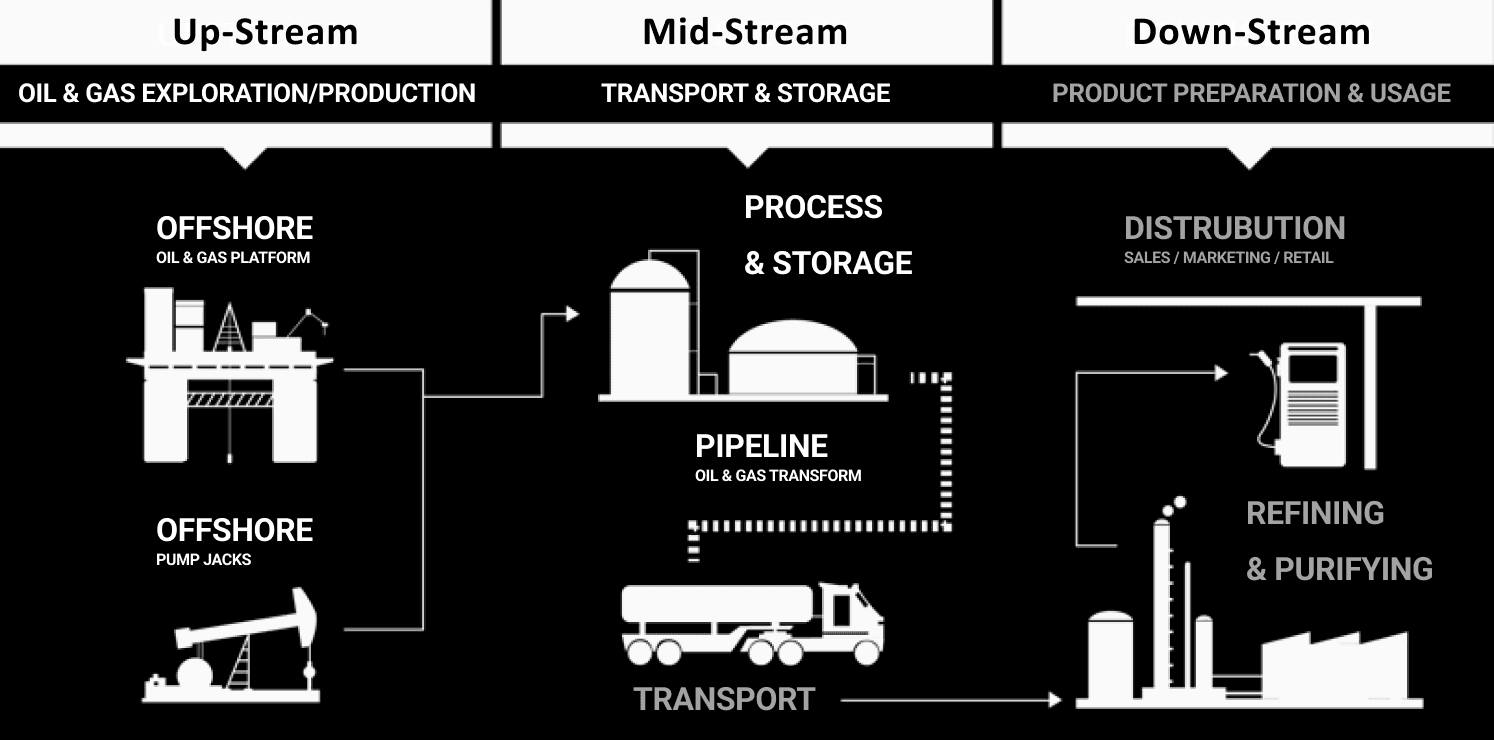
Core Challenges companies encounter nowadays are:
Manual HR Process,
Disjointed Safety Management,
Administrative Inefficiencies,
Lack of Employee Connectivity,
And Absence of a Centralized Platform for Communication and Scheduling.
Core Challenges companies encounter nowadays are:
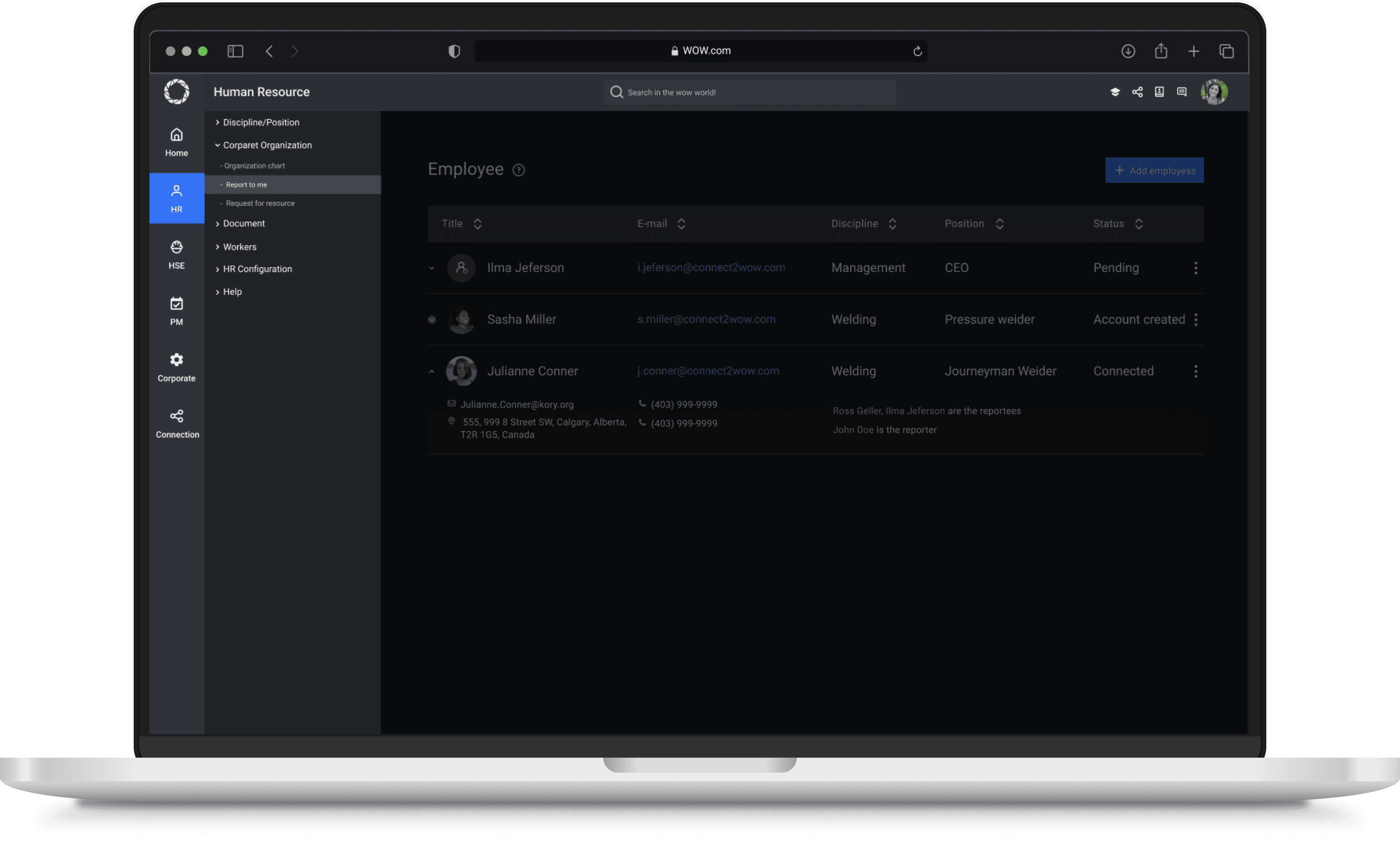
Our team worked alongside the development team, to transition this entire lifecycle into a digital product, managing a system that is both highly complex and rich in detail.
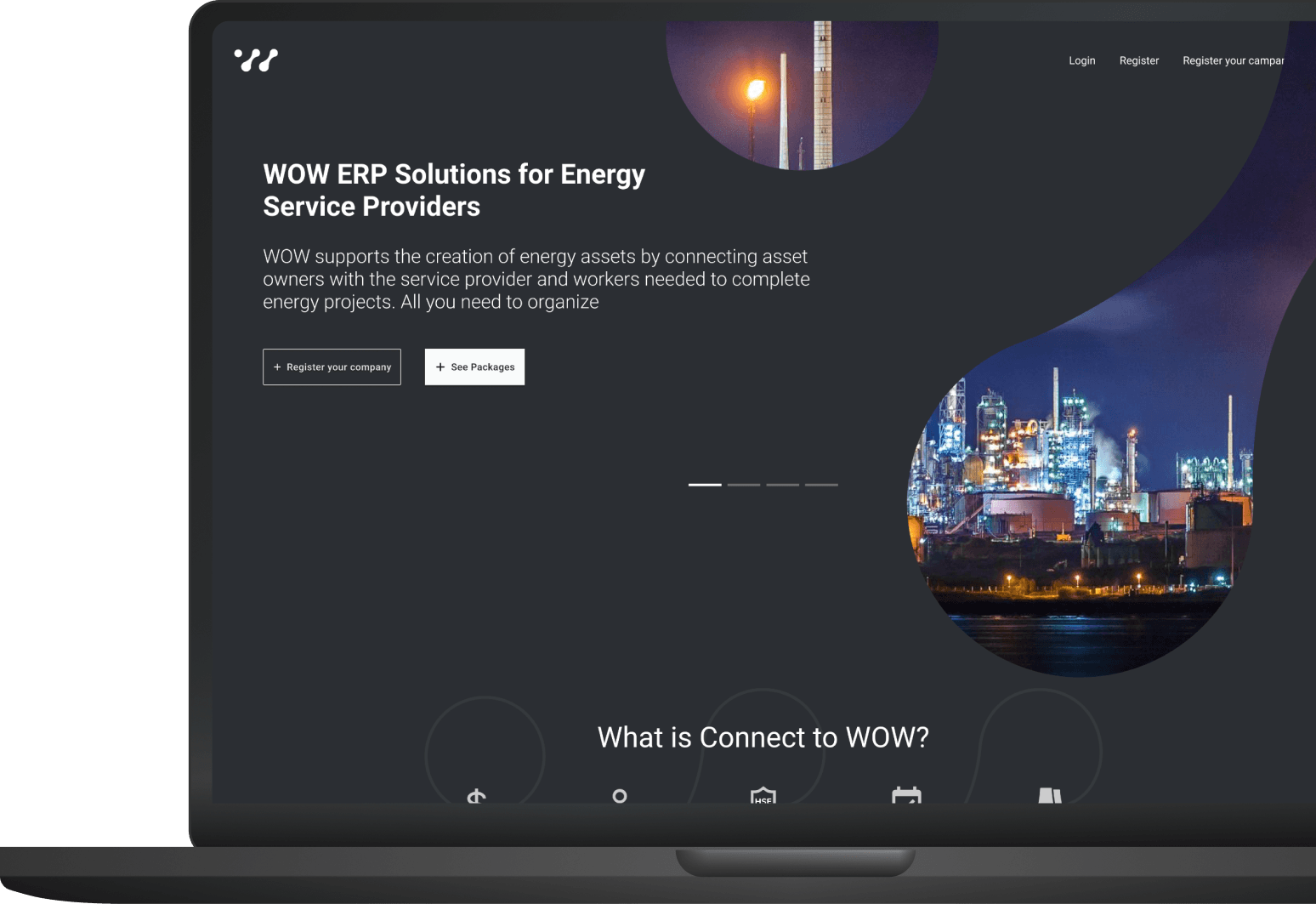
Oil and Gas companies in North America frequently encounter manual workflows and systemic fragmentation as core challenges within their Human Resource Management processes. We aim to design a united platform to ease the process for them.
Required assets include financial management, project planning, meeting and calendar scheduling, social media, company/personal profiles, worker education, etc. A digital system of this magnitude also required a robust design system to maintain consistency.
Our design process faced significant constraints, primarily the lack of direct access to end-users. This required a stakeholder-led iterative approach, where we leveraged the stakeholder’s deep domain expertise and business intelligence to inform and validate our design decisions.
First things first, who are the personas?
The HR module is designed for:
HR Professionals,
Managers,
Administrators,
and Employees in various roles (including industrial workers, specialized technicians, and corporate staff)
ensuring a user-centric experience that meets the diverse needs of these stakeholders.
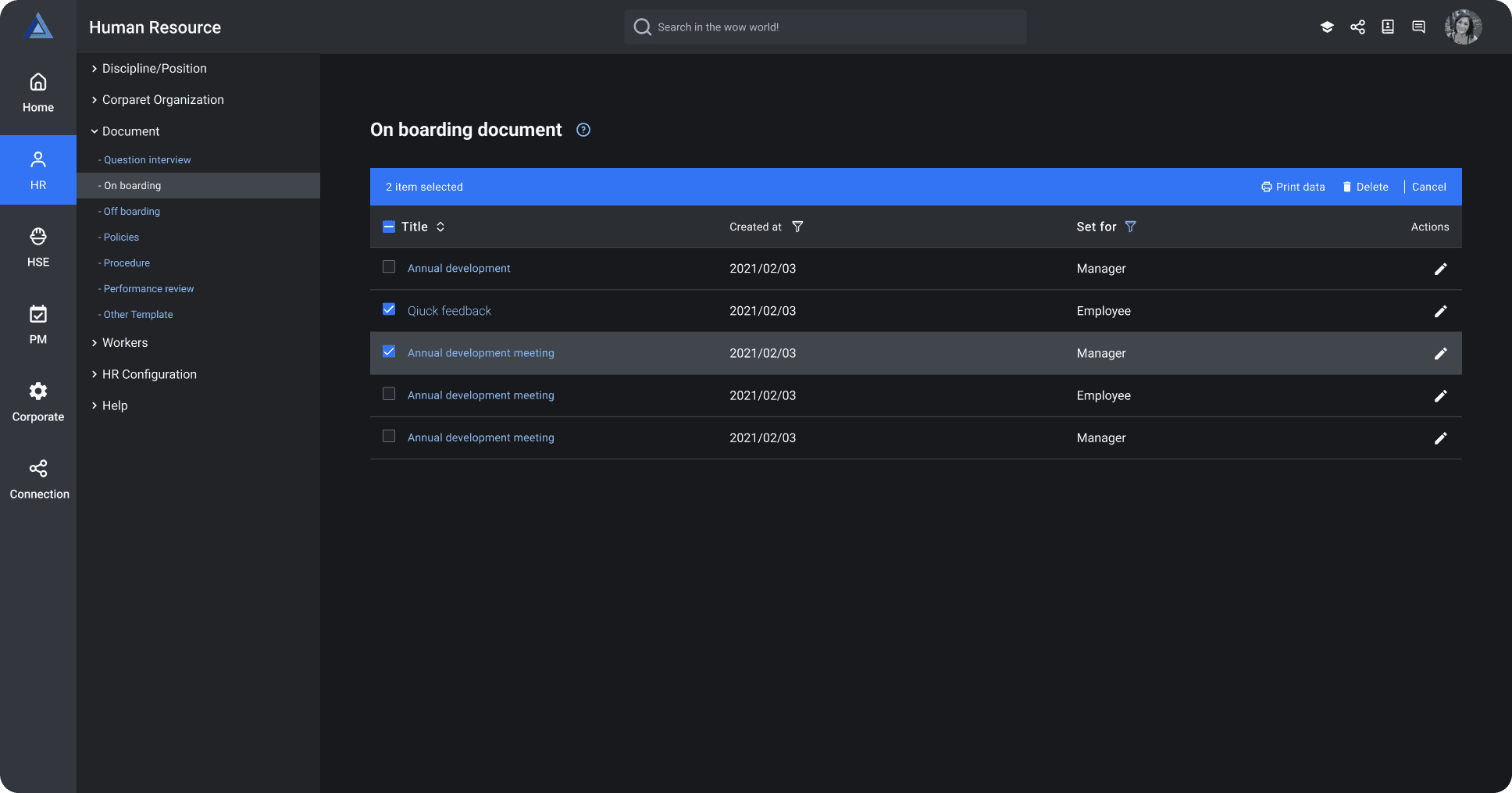
One of the modules in such platform is to manage human resources among different projects so the dynamics are right. We designed "HR" module which was the core of this data architecture because it is involved with all the people involved in the process.
We identified three businesses to analyze as best practices and extracted the strengths and weaknesses for each.
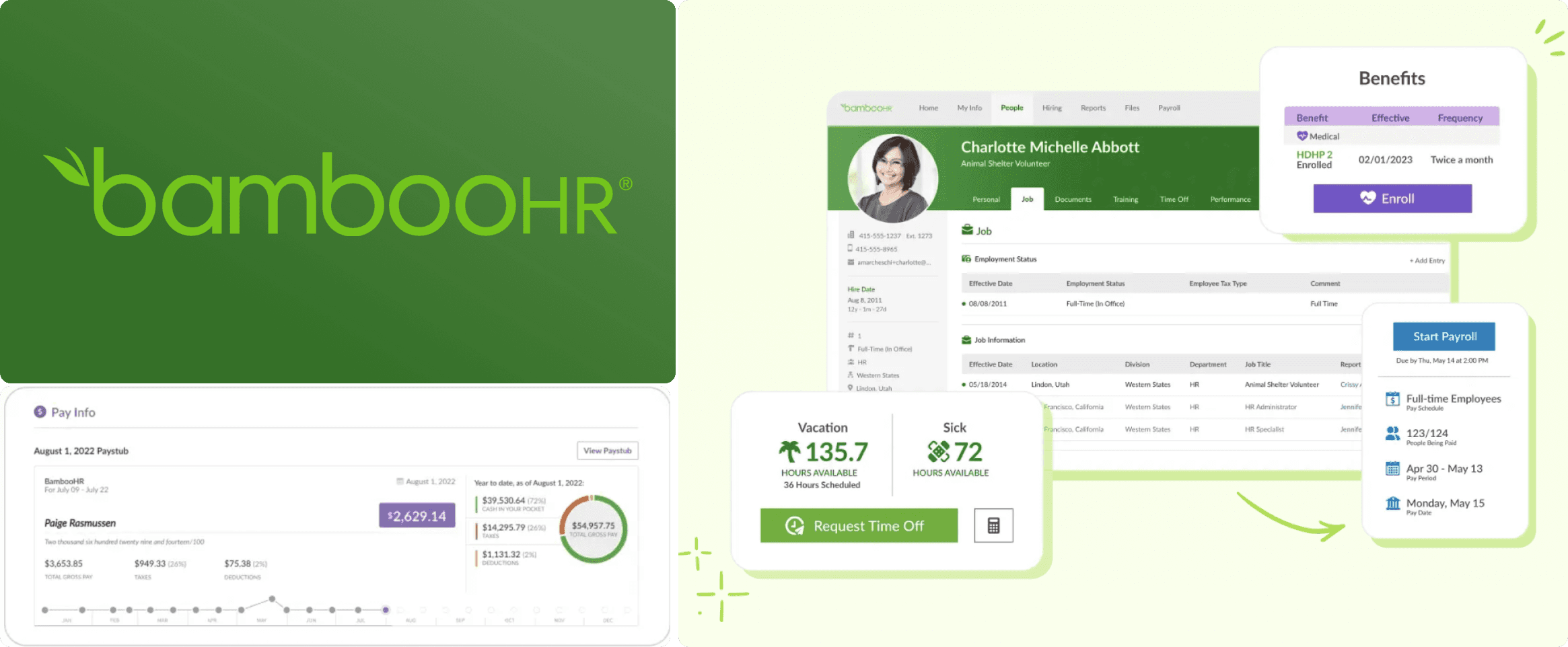
Bamboo HR
It has the most "complete" feature set for North American SMBs because it includes native payroll. However, it lacks deep engagement features (like social shout-outs) and complex performance tools.

Personio
It is the strongest in process automation and compliance. It has almost every functional feature required to run a business but focuses less on the "culture" or "social" side of the employee experience.
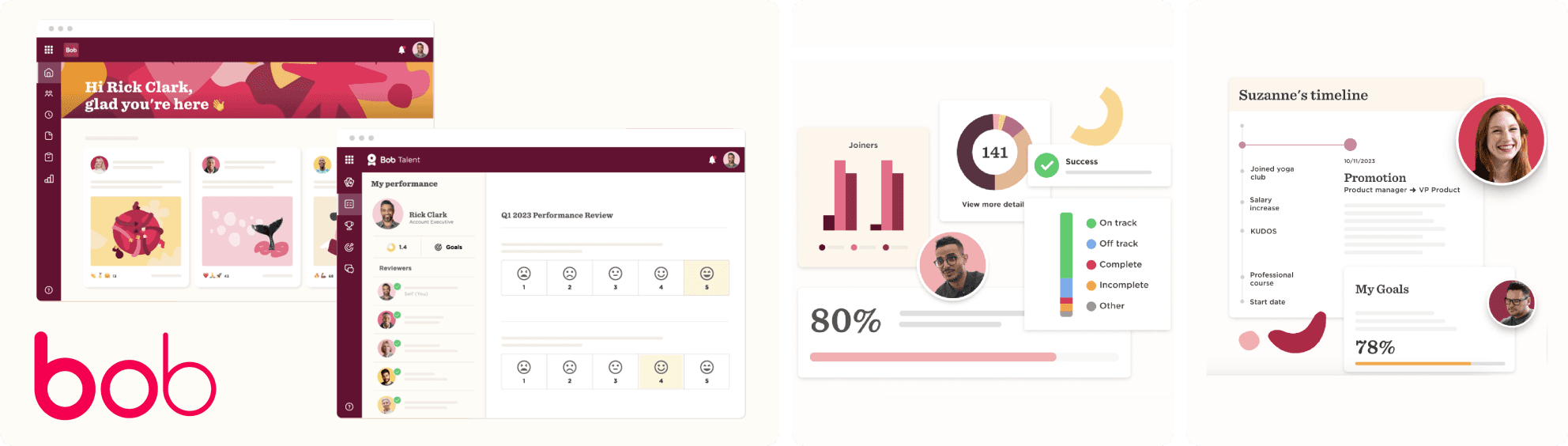
bob
It is the only one that treats Compensation Management and Workforce Planning as core features. It is the most "feature-rich" for modern, global tech companies that prioritize employee happiness and social connection over just administrative tracking.
You can also visit further details of investigation through these 3 platforms .
to visit Analytical Comparison click here,
and
to visit Features Comparison click here.
Now that we know the stakeholders, we also know that enterprises are generally coherent systems composed of small existing parts; consequently, there are many best practices available to help push you forward throughout the process.
People often mistake "Information Architecture" for simply referring to menus on websites or apps. While menus are a component, IA encompasses the entire organization of information in a clear and logical manner. Its primary goal is to help users efficiently navigate and make sense of complex data which is even more important in systems like this, by following a well-structured, purpose-driven design.
Initial features and qualifications were tested among some potential users using "Card sorting" Method and we submit the first iteration of information hierarchy.
Based on What we learned comparing the goals, target audiences, and feature sets of the existing HR platforms, we can come up with our own features lists.
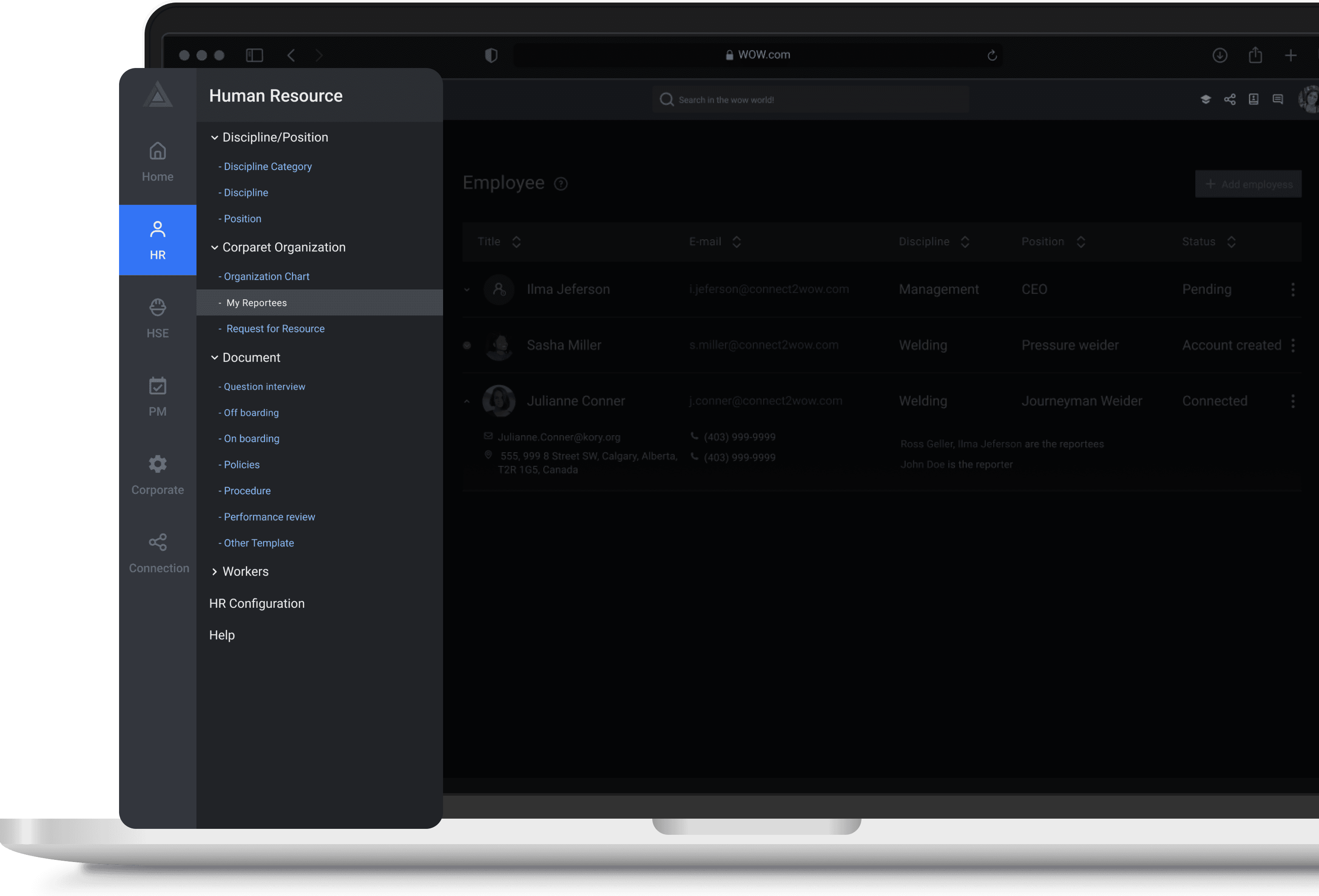
One of the key submenus within the HR Module is "Request for Resources," which manages the flows for job postings and talent acquisition. Given the multi-persona nature of this process, we conducted a granular, step-by-step analysis to map out complex dependencies and ensure a seamless handoff between stakeholders.
I am highlighting the "Request for Resource" workflow as a case study within the HR Module to demonstrate how the system handles multi-stakeholder logic and complex operational requirements.
The workflow begins with a Resource Request initiated by a Project Manager, which is routed to HR for strategic approval.
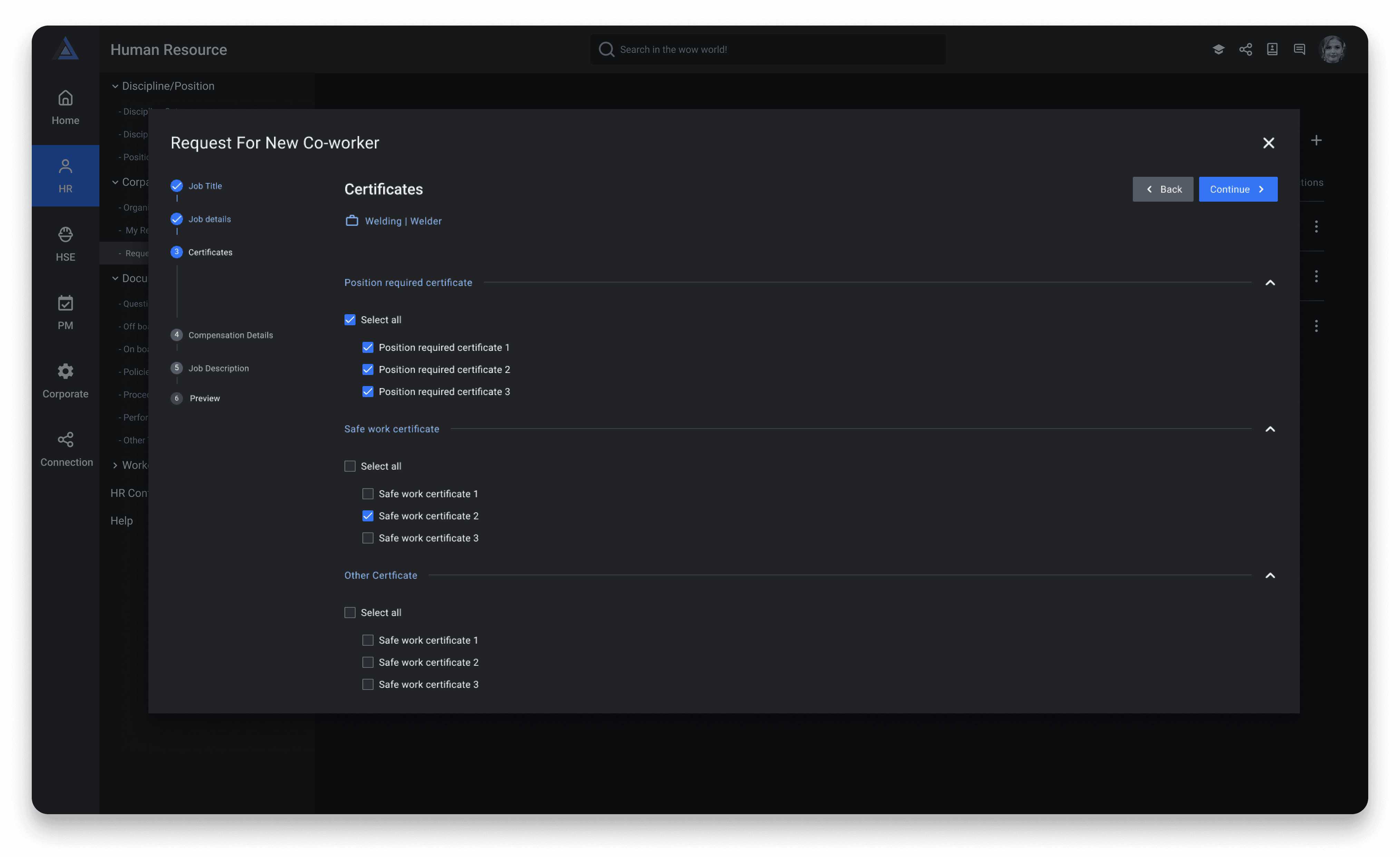
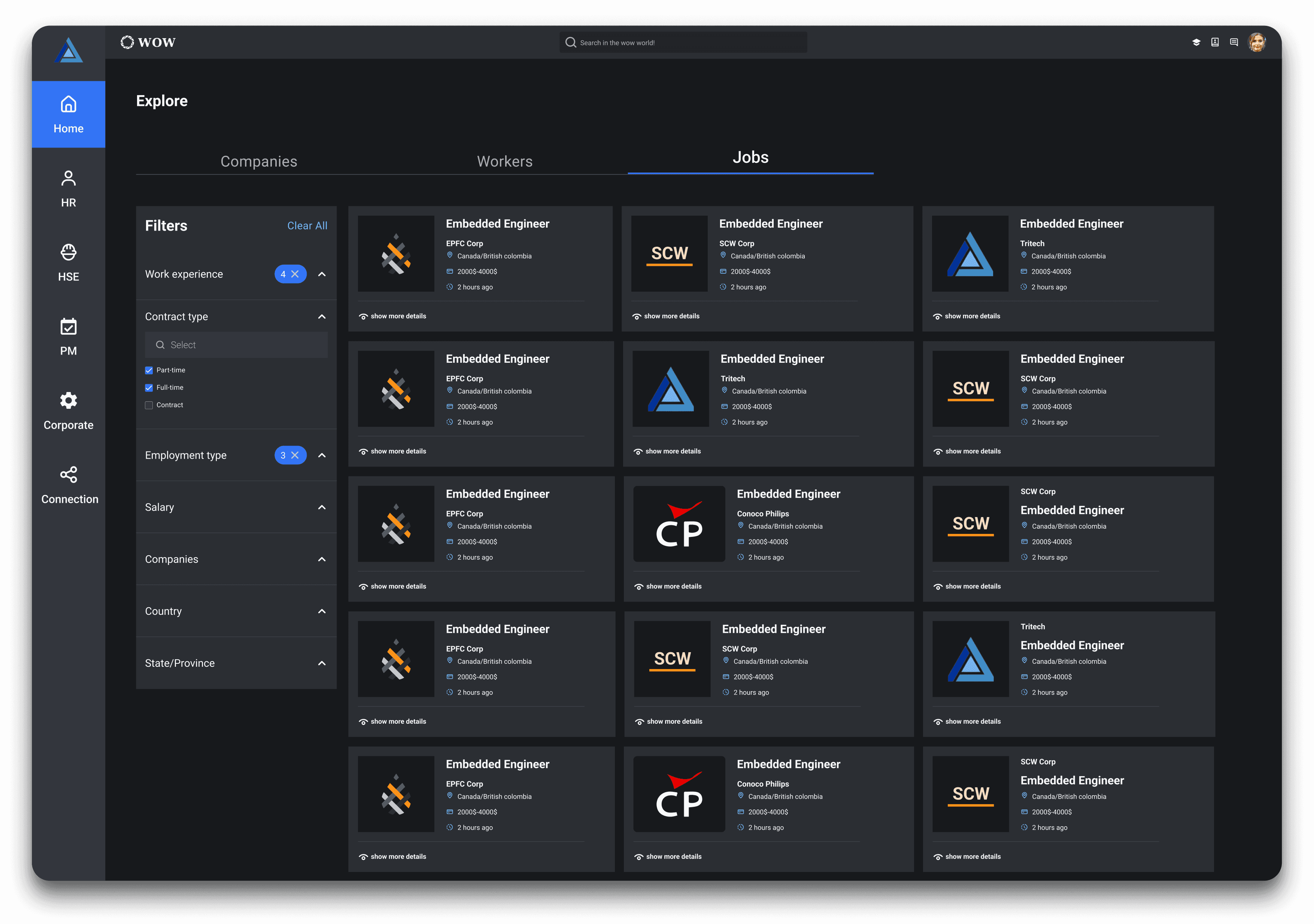
Once validated, the system automatically publishes the vacancy to the community portal, allowing candidates to apply directly through the platform.
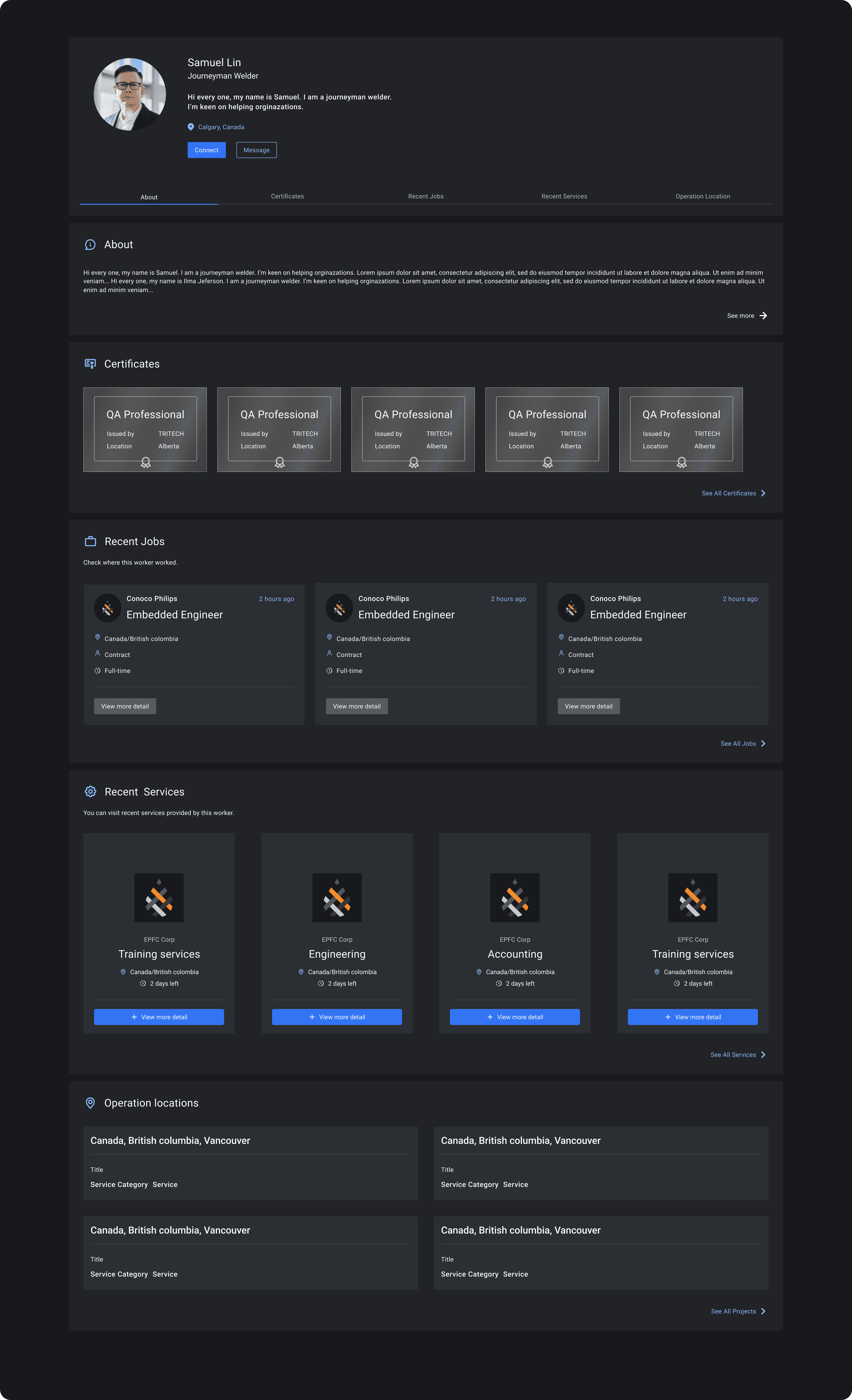
The selection process is a collaborative review between HR and the hiring manager, based on the applicant's personal profile.
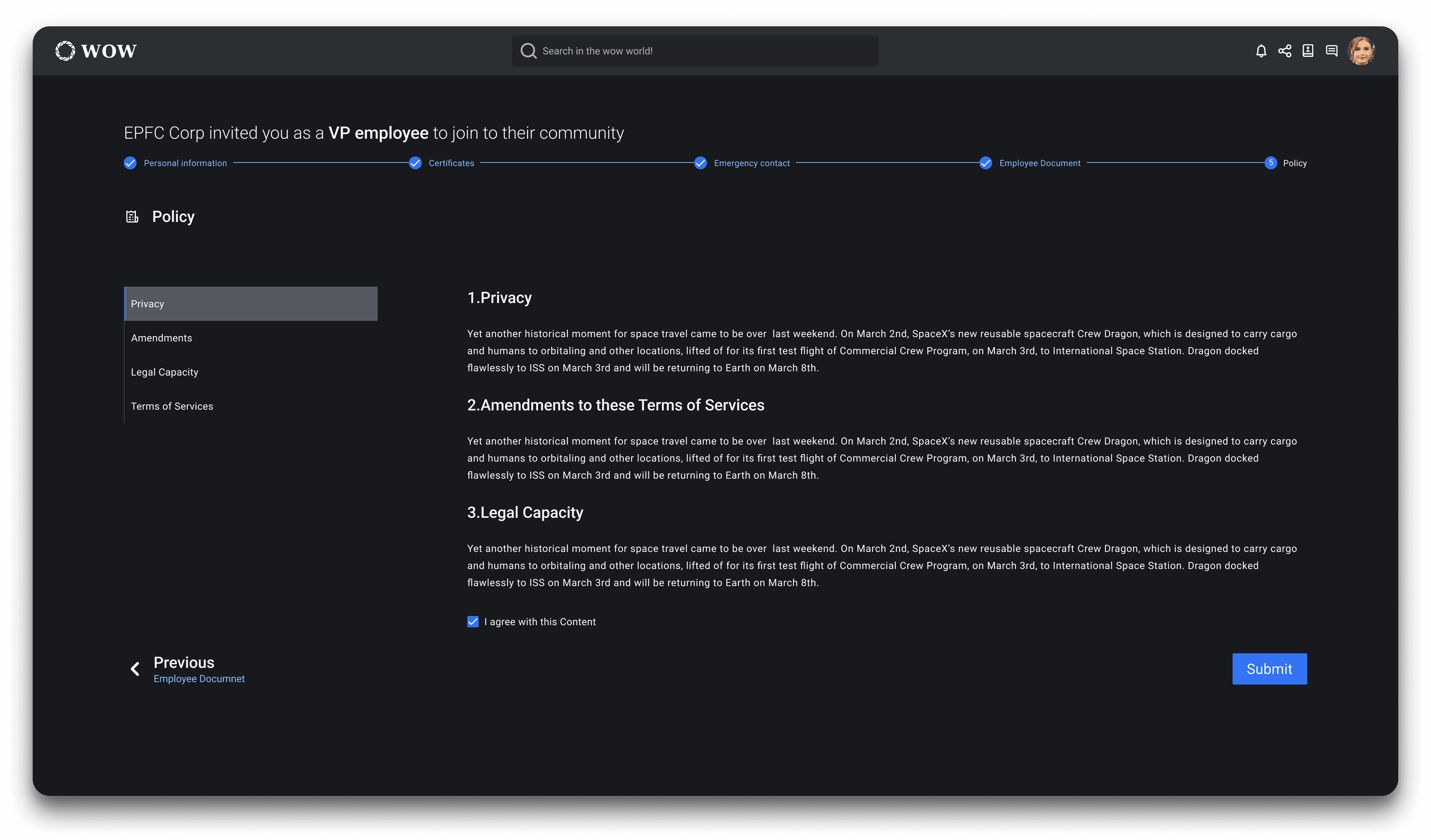
Upon final candidate selection, the system triggers an automated notification to the applicant, prompting them to complete the digital documentation phase.
Finally, the HR manager facilitates the onboarding transition, generating necessary contracts and system credentials to officially integrate the new hire into the company.